
Sanjao sam zmiju kako mi se uvija oko nogu, i danima nisam mogao da se oslobodim te slike. To mi je otvorilo oči – naša podsvest često nam šalje poruke kroz snove koje ne razumemo. Iako sam ranije mislio da su to samo beznačajne slike, shvatio sam da tumačenje snova može biti ključ za razumevanje sebe i svojih emocija.
Zašto je važno razumeti svoje snove?
Upravo u tim trenucima kada mislite da je san samo pusto slika, krije se ogroman potencijal za lični rast. Na primer, ako ste sanjali zmiju, to može simbolizovati opasnost, iskušenje ili čak novu početak. Naučio sam da je tumačenje snova poput otključavanja tajni svog podsvesnog sveta, i to je nešto što želim da podelim sa vama.
Da li je tumačenje snova stvarno vredno truda?
Priznajem, prvo sam pravio greške. Jednu od najvećih bila je ta što sam zanemario detalje i mislio da su snovi samo poredak slika. Ali, učenje o simbolima i arhetipovima, poput onih koje opisuje Carl Jung, mi je otvorilo oči. Naučio sam da snovi nisu slučajni, i da njihova analiza može doneti uvide koje će mi pomoći da bolje razumem sebe.
Želim da vas pitam – da li ste ikada sanjali nešto što vam je ostalo u glavi danima? Ako jeste, niste sami. I ne brinite, postoje jednostavni načini da interpretirate svoje snove i iz njih izvučete pouke. U narednim delovima posta, predstaviću vam konkretne korake i savete kako da to uradite.
Pratite me, i zajedno ćemo naučiti kako tumačenje snova može biti vaš saveznik na putu ka boljem životu. Za početak, važno je razumeti zašto su snovi važni i kako ih možemo koristiti kao alat za lični razvoj.
Ever felt that sinking frustration when your {keywords} efforts seem to hit a wall? I remember the exact moment I realized I was doing it all wrong—trust me, it was a lightbulb moment that changed everything. For weeks, I struggled with slow progress, second-guessing every step, wondering if I’d ever get it right. Sound familiar? Well, you’re not alone, and the good news is, I’ve been there too.
Why Tackling {keywords} Matters More Than Ever
In today’s world, {keywords} isn’t just a hobby or a side project; it’s becoming essential. Whether you’re trying to improve your skills or solve a persistent problem, mastering {keywords} can open doors to new opportunities and personal growth. Plus, according to a recent study by {externalSource}, those who invest time in understanding {keywords} often see better results and fewer frustrations. But here’s the thing—many beginners jump in without a plan, leading to burnout or discouragement. That was me early on, making fundamental mistakes that set me back months.
Is {keywords} Actually Worth the Hype?
Many skeptics wonder if all the fuss about {keywords} is justified. I used to think it was just another trend, until I realized that early on, I was making a critical mistake—trying to do everything at once instead of focusing on one aspect. Trust me, I wasted a lot of time spinning my wheels before I learned to prioritize and approach {keywords} with patience. If you’ve faced similar setbacks, you’re in good company. But here’s the truth: with the right guidance and a clear plan, {keywords} can be incredibly rewarding.
So, are you ready to stop struggling and start making real progress? In the next sections, I’ll share practical, proven steps that helped me turn things around. Whether you’re just starting or feeling stuck, these tips will help you build confidence and see tangible results. Let’s get into it!
Jedne noći, dok sam se okretao u krevetu, shvatio sam da mi je san bio toliko živo da sam se probudio zbunjen i sa mnoštvom pitanja. To je bio trenutak kada sam prvi put shvatio koliko su snovi često zbunjujući, a opet toliko značajni. Onda sam počeo da se pitam: zašto baš te slike, te emocije i ti simboli?
Zašto sanjamo i kako nam to pomaže
Sanje nisu samo puka igra uma dok spavamo. Prema naučnicima, oni nam pružaju uvid u naše podsvest, pomažu nam da obradimo stres, strahove i želje. Uostalom, istraživanja pokazuju da ljudi koji vode dnevnik snova imaju bolju emocionalnu ravnotežu i bolju samospoznaju. Ako ste se ikada zapitali šta znače oni snovi koji vas prate danima, niste sami. Ja sam se isto pitao, i to je bio jedan od razloga zašto sam počeo da se bavim tumačenjem snova.
Ali, postoji li pravi način da razumemo te poruke? Šta ako su neki snovi zapravo odraz naših najdubljih želja, a drugi samo odraz svakodnevnih briga? U nastavku ću podeliti svoja iskustva i naučiti vas kako da bolјe interpretirate svoje noćne avanture.
Da li je tumačenje snova zaista važno?
Prije nego što krenemo u duboke analize, važno je napomenuti da sam pogrešno počeo – misleći da je svaki san univerzalno značenje. Greška koju sam napravio bila je da sam zanemario kontekst i lično iskustvo. Na primer, san o zmijama može imati različite značenja, zavisno od osobe i trenutka u životu. Ako želite da naučite više o simbolima u snovima, preporučujem da pogledate najčešće snove i njihovu simboliku.
Da li ste ikada imali san koji vam je delovao kao da nosi poruku, ali niste znali šta? Verovatno ste i vi pogrešno tumačili ili ignorisali znakove. Sada, kada znam koliko je važno razumevanje snova, želim da vas naučim jednostavnim koracima kako da ih bolje interpretirate.
Da li ste spremni da zakoračite u svet snova i otkrijete šta vam poručuju? Ako jeste, nastavite sa čitanjem i otkrićete kako da svoj san pretvorite u moćan alat za lični razvoj.
Kako početi tumačenje svojih snova
Sećate li se poslednjeg sna u kojem ste se našli bolesni ili bolovali? Ta scena ostaje duboko urezana, i često nas izaziva da se zapitamo šta nam naša podsvest poručuje. Moguće je da je to bio samo prolazan san, ali često su snovi o bolesti znak da nešto u našem životu zahteva pažnju ili promenu. Kada sam prvi put sanjala o bolesti, pomislila sam da je to neko upozorenje, ali realnost je bila složenija. Ovaj san mogao je da odražava moje unutrašnje stanje, strahove ili čak duhovne poruke koje nisam odmah shvatila.
U današnjem tekstu, fokusiraćemo se na to kako interpretirati snove o bolesti, šta oni zaista znače i kako da ih iskoristite za lični rast i duhovno isceljenje. Upoznajte se sa simbolima i porukama koje vaši snovi mogu nositi, i naučite kako da ih prepoznate kao dragocene vodiče na vašem putu. Ako ste ikada sanjali o bolesti i pitali se šta to zapravo znači, niste sami. Mnogi od nas se susreću sa ovim snovima, a pravi odgovor često leži u načinu na koji tumačimo svoje unutrašnje emocije i podsvest.
Zašto sanjati o bolesti? Razumeti simboliku i poruke
Snaga ovakvih snova leži u njihovoj sposobnosti da nam skrenu pažnju na unutrašnje probleme, stres, ili čak na duhovne izazove. Na primer, sanjati o bolesti može biti signal da je vaše telo ili um preopterećeno, ali isto tako i poziv na unutrašnju transformaciju. Učim iz iskustva, i shvatila sam da je važno ne ignorisati ove snove, već ih posmatrati kao šansu za samospoznaju. Ako želite dublje razumevanje, preporučujem da istražite značenje snova o bolesti i psihološke aspekte, jer to može biti prvi korak ka ličnoj promeni. Ako vas zanima, možete pronaći više o tome u tekstovima poput [sanjati bolest](https://sanovnik-snova.com/sta-znaci-sanjati-bolest-psiholoski-aspekti-i-duhovna-znacenja) ili [interpretaciji snova](https://sanovnik-snova.com/online-sanovnik-efikasan-vodic-za-tumacenje-snova-u-svakom-trenutku).
Da li je san o bolesti uvek upozorenje?
Nažalost, mnogi griješe u interpretaciji i smatraju da je svaki san o bolesti znak za uzbunu ili opasnost. To je jedna od najčešćih grešaka koje sam sama napravila na početku svog istraživanja. Umesto toga, važno je shvatiti da snovi često odražavaju naše unutrašnje stanje, strahove ili nesvesne želje. Ponekad, san o bolesti može biti simbol unutrašnjeg neizlečenog emocionalnog rasta ili čak poziv na brigu o sopstvenom duhovnom zdravlju. Ako želite da naučite kako pravilno tumačiti ove snove, postoje različiti načini, a jedan od njih je povezivanje sa sopstvenim emocijama i životnim okolnostima. Ovaj proces može biti složen, ali je izuzetno koristan za vaš lični razvoj.
U nastavku ćemo proći kroz konkretne korake i savete kako da interpretirate snove o bolesti i na taj način otkrijete poruke koje vam vaša podsvest šalje. Ako ste spremni za to, nastavite sa čitanjem i otkrićem dubokih simbolika vaših snova.
Have you ever stared at your {keywords} setup and felt a sinking feeling in your stomach, thinking, „Am I doing this right?“ I sure have. I remember my own eye-opening moment when I first realized I was making basic mistakes that hampered my progress. It was frustrating, to say the least. But here’s the thing — I found that with a few simple tweaks, I could turn things around significantly.
Why {keywords} Matter More Than Ever
In today’s world, {keywords} aren’t just a hobby or a side project; they’re a vital part of our daily lives. Whether you want to boost your productivity, enhance your entertainment, or simply enjoy a better experience, understanding {keywords} can make a huge difference. According to recent studies, proper {keywords} can increase efficiency by up to 30%. That’s a game-changer.
Is It Really Worth the Effort to Improve Your {keywords}?
When I started diving into {keywords}, I was skeptical. I thought, „Is all this really necessary?“ Turns out, yes. Early on, I made a mistake that many beginners do — I ignored the basics and jumped straight into complex setups. That led to more frustration and less progress. Once I slowed down and focused on fundamentals, everything improved. If you’ve faced similar doubts, don’t worry. I’ll guide you through practical steps that work.
}## Additional Tips: Remember to replace {keywords} with the specific topic you’re focusing on, and tailor the content to match your personal voice and experiences. Happy blogging!}】#Answer 0.7.3: {
Ever had that frustrating moment when you try to tackle {keywords} and just feel overwhelmed? I remember the first time I dived into this topic; I spent hours spinning my wheels, convinced I was missing some secret formula. It wasn’t until I faced a major setback that I had my lightbulb moment—real progress came when I stopped trying to do everything at once and started focusing on what truly matters.
Why {keywords} Matter More Than Ever
In our fast-paced world, understanding {keywords} isn’t just a luxury — it’s a necessity. Whether you’re aiming to improve your skills, solve a persistent problem, or just get a little better each day, mastering {keywords} can be a game-changer. But here’s the catch: many people jump in without a plan, expecting instant results. Trust me, I’ve been there. I tried to learn everything at once, only to burn out and feel more lost than ever.
What really made a difference for me was recognizing that progress is a journey. And like any journey, it starts with small, deliberate steps. Today, I want to share what I’ve learned — the pitfalls to avoid and the strategies that actually work. So, if you’ve ever felt like giving up because nothing seems to stick, stick around. We’re about to turn that around.
Is {keywords} Actually Worth the Hype?
One mistake I made early on was assuming that more effort means faster results. Spoiler: it doesn’t. Instead, I wasted time chasing after quick fixes that didn’t deliver. According to experts, sustainable progress in {keywords} relies on consistency and understanding, not just effort. So, if you’ve ever wondered whether all this effort is really worthwhile, I promise you, it is — but only if you approach it the right way.
Now, let’s get into the practical steps that will help you master {keywords} without falling into common traps. Are you ready to finally make sense of it all? Let’s go!
Identifikujte ključne simbole u snu
Prvi korak je da se fokusirate na simbole koji se pojavljuju u vašim snovima. Na primer, ako ste sanjali zmiju, razmislite o njenoj boji, veličini i ponašanju. Ovi detalji su važni jer simboli u snovima često nose specifična značenja, poput opasnosti, obnove ili iskušenja. Zapamtite sve detalje jer će vam kasnije pomoći u interpretaciji.
Koristite sanovnik za početno razumevanje
Posetite online sanovnik ili tradicionalni tumač snova da biste dobili osnovne interpretacije simbola. Na primer, sanjati vodu često simbolizuje emocije ili podsvest, dok sanjati zube ukazuje na strah od gubitka ili promene. Ova početna razmišljanja će vam pomoći da steknete uvid u moguće skriveno značenje vašeg sna.
Analizirajte emocionalni kontekst
Razmislite o tome kako ste se osećali tokom sna. Ako ste bili uplašeni, to može ukazivati na unutrašnje strahove ili nesigurnost. Ako ste osećali radost, to može biti znak da ste na pravom putu ili da vam se realizuju želje. Emocije su ključne jer pomažu da se razjasni simbolika i da se odvoji lično značenje od opšteg.
Vežite simboliku za lično iskustvo
Razmislite o tome šta simboli znače vama lično. Na primer, ako ste sanjali vodu, a vi ste povezali more sa sigurnošću, to može ukazivati na vaše unutrašnje stanje ili želju za stabilnošću. Uključivanje ličnih iskustava u interpretaciju omogućava dublje razumevanje i preciznije tumačenje.
Zapišite svoje snove u dnevnik
Redovno zapisivanje snova je izuzetno korisno. Čuvajte dnevnik snova i beležite sve detalje odmah nakon buđenja. To će vam pomoći da prepoznate obrasce i da se bolje upoznate sa svojim simbolima i emocijama. Kada se vršite retrospektivnu analizu, možete uočiti skrivene poruke koje vam podsvest šalje.
Primena tumačenja u svakodnevnom životu
Koristite interpretacije snova da biste doneli odluke ili razumeli unutrašnje konflikte. Na primer, ako ste sanjali da padate, to može ukazivati na osećaj nesigurnosti u životu ili poslu. Razumevanje ovih poruka omogućava vam da preduzmete korake ka ličnoj evoluciji i harmoniji.
Napomena o složenosti snova
Zapamtite da je tumačenje snova subjektivno i da ne postoji jedna tačna interpretacija za svaki simbol. Važno je da se oslonite na svoja osećanja i iskustva. Ako vam je teško da sami dešifrujete san, možete potražiti pomoć stručnjaka ili pročitati više u knjigama o simbolici i psihologiji snova.
Define Your Core Message Clearly
Before typing a single word, pin down what you want your readers to take away. Think of this as setting the destination on a GPS. When I started writing a guide on sustainable living, I focused on actionable tips rather than vague ideas. This clarity kept my content focused and engaging, leading to better reader feedback and more shares.
Break Down the Process into Manageable Phases
Research and Gather Resources
Start with solid research. Use reputable sources and take notes. I once wrote a post about tech gadgets by testing each product myself. It was messy at first, but organizing my notes helped me craft detailed reviews that resonated with my audience.
Create an Outline
Structure your content logically. Think of it like building a house: a good foundation (introduction), walls (main points), and a roof (conclusion). I use bullet points to map out sections, ensuring my post flows naturally. This step prevents me from rambling and keeps the reader on track.
Write with Precision and Engagement
Get into the habit of writing tight sentences. Use analogies to clarify complex ideas. For example, explaining SEO optimization felt abstract until I compared it to tuning a musical instrument—small adjustments make a big difference. I remember spending an afternoon tweaking my keywords and seeing a 30% boost in traffic, proving the power of focused writing.
Incorporate Visuals Thoughtfully
Use images to illustrate key points. If I describe a step-by-step process, I insert a relevant screenshot or diagram. For instance, when explaining how to set up a WordPress plugin, a visual guide saved me hours of troubleshooting. Remember, visuals should enhance understanding, not distract.
Edit Ruthlessly and Seek Feedback
Never publish without editing. Read aloud to catch awkward phrasing. I also ask a peer to review my drafts, which often uncovers gaps. Once, a fresh pair of eyes pointed out a confusing paragraph about backlink strategies that I had overlooked. Fixing it improved clarity and user engagement.
Optimize for SEO and Readability
Use keywords naturally within your content. Break text into short paragraphs and use headers for easy scanning. I regularly check my post’s SEO score with tools like Yoast, adjusting keywords and meta descriptions until I hit the sweet spot. This iterative process significantly boosts my post visibility.
Publish and Promote Strategically
Share your content across relevant channels. I schedule social media posts and participate in niche forums to increase reach. Remember, content promotion is ongoing; revisiting your post after a few weeks for updates can keep it relevant and ranking high.
Korak 1: Započni vođenje dnevnika snova
Prvi korak u tumačenju snova je uspostavljanje rutine vođenja dnevnika. Svako jutro, čim se probudiš, zapisuj sve što si zapamtio iz svojih snova. To je kao da sakupljaš komadiće slagalice svoje podsvesti. Nedavno sam odlučila da započnem ovu praksu, i čak iako su snovi bili zbunjeni i nedorečeni, već nakon nedelju dana primetila sam obrasce i simbole koje nisam ni primetila ranije. Ova praksa pomaže u oblikovanju jasnije slike o sopstvenim mislima i emocijama.
Saveti za efikasno vođenje dnevnika
Budi detaljan
Ne preskači sitnice. Zabeleži boje, ljude, emocije, i čak mirise iz snova. Ove detalje ćeš kasnije koristiti za dublju analizu. Kada sam zapisivala svoje snove, shvatila sam koliko boje i simboli mogu odati više nego što mislim o sebi.
Koristi aplikacije ili papir
Neki preferiraju digitalne dnevnike, dok drugi više vole papir. Ja sam odabrala papir, jer mi je to pružalo osećaj ličnijeg kontakta sa zapisima. Izabrala sam mali notes, koji nosim svuda, tako da ne propustim nijedan detalj.
Korak 2: Analiza snova i prepoznavanje obrazaca
Nakon nekoliko sedmica vođenja dnevnika, vreme je da počneš sa analizom. Ključno je identifikovati simbole i obrasce. Na primer, često sanjam zmije, što mi je ukazalo na podsvestne strahove ili promene. Posetila sam sanjovnik i saznala da zmije često simbolizuju transformaciju ili opasnost, zavisno od konteksta.
Prepoznaj svoje emocije
Prateći svoje snove, počeo sam da shvatam koje emocije dominiraju u mom životu. Strah, radost, anksioznost – sve to se odražava u snovima. Pokušaj da povežeš te emocije sa stvarnim životnim situacijama.
Korak 3: Kontroliši i istražuj lucidne snove
Jednom kada si već upoznala svoje snove, možeš početi sa tehnikom lucidnog sanjanja. To je stanje kada znaš da sanjaš i možeš da utičeš na radnju. Meni je to bilo kao da dobijam supermoći u svetu snova. Na primer, jednom sam sanjala da letenjem rešavam probleme na poslu, i to mi je dalo novu perspektivu u rešavanju izazova. Za početak, vežbaj pre spavanja da prepoznaješ znakove lucidnosti, poput ponovljenih simbola ili osećaja da si svestan sebe u snu. Saznaj više o lucidnim snovima.
Korak 4: Tumačenje snova za lični razvoj
Na osnovu zapisa i analiza, počni da tumačiš snove kroz lični kontekst. Razmisli o tome šta ti simboli i emocije znače u tvom životu. Na primer, san o letu mi je ukazao na želju za slobodom, što mi je pomoglo da donesem odluku o promeni karijere. Ako želiš dublje razumevanje, poseti psihološko tumačenje i saznaj kako psihološki faktori oblikuju snove.
Korak 5: Implementacija u svakodnevni život
Koristi saznanja iz snova za donošenje odluka i lični razvoj. Na primer, ako u snovima često vidiš simboliku promene, razmisli o koracima koje možeš preduzeti da bi ostvarila željene promene. Ova praksa je kao da imaš ličnog savetnika koji ti pomaže da bolje razumeš sebe i svoje želje.

Razotkrivanje simbolike novca u snovima
San o novcu često odražava vaše unutrašnje stanje, finansijske brige ili želju za sigurnošću. Kada ste nedavno sanjali da imate puno novca, to je moglo značiti vašu želju za stabilnošću ili potvrdu da ste na pravom putu u finansijskom životu. S druge strane, gubitak novca u snu može ukazivati na strah od gubitka ili osećaj nesigurnosti, što je česta emocija tokom izazovnih perioda života.
Koraci za tumačenje snova o novcu
Identifikujte vrstu novca u snu
Prvo, obratite pažnju na to da li ste sanjali novac u novčaniku, na ulici ili u banki. Svaki od ovih scena nosi specifične simbolike. Na primer, novac u novčaniku simbolizuje vaše trenutne finansijske mogućnosti i unutrašnju sigurnost, dok novac na ulici može ukazivati na izglede i rizike.
Razmotrite stanje novca
Razmišljajte o tome da li je novac bio nov, stari, polomljen ili neispravan. Novac u dobrom stanju ukazuje na stabilnost i uspeh, dok oštećen ili star novčanica može odražavati brige i strahove u finansijama.
Procijenite emocije koje ste osećali
Sećate li se da ste osećali sreću, zabrinutost, zbunjenost ili ljutnju? Vaše emocije tokom sna ključne su za razumevanje poruke koju vam podsvest šalje. Na primer, osećaj uzbuđenja pri pronalasku novca može značiti da ste spremni za nove finansijske izazove.
Kako koristiti interpretaciju za lični rast
Pri svakom snu o novcu, zapamtite da je važno povezati simboliku sa vlastitim životom. Ako ste sanjali da dobijate novac, razmislite o tome koje su vaše trenutne želje ili potrebe. Ako gubite novac, analizirajte da li ste zabrinuti zbog finansija ili nekih drugih aspekata života.
Ukoliko imate česte snove o novcu, to može biti signal da je vreme za finansijsko planiranje ili promenu stavova prema novcu. Na primer, ako sanjate da štampate novac, to može ukazivati na želju za kontrolom i moći u finansijama, ali i na potrebu za realnim vrednovanjem svojih resursa.
Koristite kolektivno nesvesno za dublje razumevanje
Sa aspekta kolektivnog nesvesnog, simboli novca mogu odražavati šire društvene i ekonomske tokove. Često snovi o novcu odražavaju kolektivne strahove ili nade, pa je korisno razmotriti širi kontekst i svoja osećanja u društvu.
Za dublju analizu, možete istražiti i simboliku brojeva ili specifičnih prizora u snu. Na primer, san o broju 13 ili o novcu u staroj, napukloj kesi, nosi dodatne poruke koje mogu biti od koristi za lični razvoj.
Start with a Clear Content Strategy
Before diving into writing, define your target audience and what value you want to provide. Think of your content strategy as a roadmap; it guides your topics, tone, and posting schedule. I once spent a weekend outlining my audience’s biggest pain points and aligning my topics accordingly, which resulted in a 30% increase in engagement over the next month.
Research and Gather Your Core Ideas
Gather reliable sources and jot down key points. This step ensures your content is accurate and comprehensive. For example, when I created a guide on SEO optimization, I spent a day reviewing recent algorithm updates and best practices, which made my article more authoritative.
Create an Outline for Structure
Break down your content into logical sections. Use bullet points or numbered lists to organize ideas clearly. I remember when I first started, I would write without an outline, leading to a scattered article. Now, my outlines help me write efficiently and stay on topic.
Write Engaging and Actionable Content
Use a conversational tone and include practical tips. Imagine explaining a complex concept like „keyword research“ to a friend; keep it simple and relatable. For instance, I shared a personal story of how I identified high-traffic keywords for my niche, which resonated well with readers and boosted my authority.
Incorporate Visual Elements
Use images, infographics, or videos to support your points. For example, inserting a screenshot of your analytics dashboard can make a tutorial more tangible.
Edit and Optimize for SEO
Review your draft for clarity, grammar, and SEO. Use relevant keywords naturally within your text. I once optimized an article by strategically placing keywords in headings and throughout the content, which helped it rank on the first page of search results.
Publish Consistently and Promote
Stick to your schedule and share your posts across social media channels. I found that posting every Tuesday and sharing on Twitter and LinkedIn increased my readership steadily. Engage with your audience by responding to comments and asking for feedback.
Set Clear and Achievable Goals
Start your journey by defining what you want to achieve. Think of your goals as a map that guides your actions. For example, I once aimed to improve my public speaking skills within three months. I broke this down into weekly practice sessions and small speaking engagements. This clarity kept me focused and motivated.
Create a Routine That Supports Your Goals
Consistency is key. Develop daily habits that align with your objectives. If your goal is to get fit, schedule a 30-minute workout every morning. I once committed to journaling each night, which helped me reflect and stay accountable. Over time, these routines became second nature, driving steady progress.
Embrace Continuous Learning
Seek knowledge actively. Read books, listen to podcasts, or attend workshops related to your growth areas. When I wanted to improve my leadership skills, I enrolled in online courses and participated in local meetups. This exposure expanded my perspective and provided practical tips I could implement immediately.
Track Your Progress and Adjust
Monitor your achievements regularly. Use journals or apps to log milestones. I kept a progress chart for my language learning, marking each new vocabulary list and conversation practice. Seeing tangible progress kept me motivated and allowed me to adjust my methods if needed.
Build a Supportive Environment
Surround yourself with positive influences. Join communities or find mentors who encourage your growth. I joined a local Toastmasters club, which offered constructive feedback and camaraderie, significantly accelerating my speaking skills. A supportive environment makes the journey less lonely and more rewarding.
Practice Resilience and Patience
Expect setbacks and learn from failures. When I didn’t see immediate results in my fitness routine, I reminded myself that persistence beats perfection. Celebrating small wins kept my spirits high and reinforced my commitment to long-term success.
Apply What You Learn Immediately
Don’t wait to implement new knowledge. I once read about time management techniques and immediately adopted the Pomodoro Technique during my work sessions. This quick application led to noticeable productivity boosts and reinforced my learning through practice.
Refine Your Approach Over Time
Stay flexible and open to change. As I progressed, I realized my initial goals needed adjustments. Regularly revisiting and refining my plans ensured continuous growth and prevented stagnation.
Zašto većina ljudi griješi kada tumače snove
Većina ljudi smatra da je tumačenje snova jednostavan zadatak, ali pravi izazov leži u razumevanju nijansi koje mnogi zanemaruju. Često se oslanjaju na opšte interpretacije ili popularne mitove, što može dovesti do pogrešnih zaključaka. Na primer, mnogi misle da je zmija u snu uvek simbol opasnosti, ali u nekim kulturama ona može značiti i obnovu ili mudrost. Ovo je jedan od primera kako se pogrešno tumače simboli i zašto je važno koristiti više slojeva analize.
Zašto je važno razmišljati o kontekstu
Najčešća greška je pojednostavljenje simbola ili događaja u snovima. Na primer, sanjati letenje često se tumači kao želja za slobodom, ali u nekim slučajevima to može ukazivati i na odmak od stvarnosti ili čak na nerealne aspiracije. Da biste izbegli ovu zamku, važno je razmotriti lične okolnosti, emocije i životne situacije koje prate san. Saznajte više o psihološkim tehnikama tumačenja.
Još jedna zabluda je da sanovi imaju doslovno značenje — na primer, da je padanje u snu znak nesigurnosti ili neuspeha. Međutim, najnovije neuroznanstvene studije pokazuju da je sanjenje složen proces koji odražava unutrašnje procese i konflikte. Detaljno o neuroznanosti snova
Opasnost od prebrzih zaključaka
Često ljudi pogrešno interpretiraju snove jer donose zaključke pre nego što razumeju sve aspekte. To može dovesti do pogrešnih emocionalnih reakcija ili čak donošenja loših odluka u stvarnosti. Budite oprezni i uvek razmišljajte o širem kontekstu i ličnim simbolima koje snovi nose.
Na primer, sanjati bivšeg partnera ne mora uvek biti znak nostalgije ili želje za povratkom. Može ukazivati na nerazrešene emocionalne dileme ili na potrebu za samospoznajom. Saznajte više o simbolima u snovima.
Ukratko, pravi izazov nije u samom simbolu, već u interpretaciji i razumevanju ličnog i kolektivnog nesvesnog. Iskustvo i kontinuirano učenje su ključ za uspešno tumačenje snova. Da li ste već razmišljali o složenosti tumačenja? Podelite svoje iskustvo u komentarima.
Many enthusiasts and even seasoned professionals often fall into the trap of oversimplification when it comes to {keywords}. While basic understanding is crucial, it’s equally important to recognize the nuanced realities that can significantly impact outcomes. In this discussion, I’ll share some of the most common myths and reveal the hidden nuances that often go unnoticed, helping you avoid costly mistakes and develop a more sophisticated approach.
Why the Popularity of {keywords} Can Be Misleading
One widespread misconception is that {keywords} are a one-size-fits-all solution. Everyone says that implementing {keywords} guarantees success, but in my experience, the real game-changer lies in understanding the context and specific application. For instance, many assume that increasing {related aspect} always improves {desired outcome}. However, this can backfire if not tailored to the unique variables of your situation.
In fact, some studies, such as a recent analysis by {source}, show that overemphasis on {keywords} without considering other factors like {additional factor} can lead to diminishing returns or even adverse effects. This underscores the importance of a nuanced approach rather than blindly following popular trends.
Beware of the ‘Set and Forget’ Mindset
Another common mistake is treating {keywords} as a static fix. Many believe that once they set up {keywords} correctly, their work is done. But the reality is that {keywords} require ongoing adjustment and monitoring. Neglecting this can cause your initial efforts to become outdated or ineffective over time, especially as external conditions evolve.
For example, in my experience working with {related field}, continuous refinement based on real-time data often produces better results than a one-time setup. Remember, what works today might not work tomorrow—staying vigilant is key.
How to Avoid These Pitfalls and Elevate Your Strategy
To truly master {keywords}, you need to go beyond surface-level understanding. This means examining the specific nuances of your situation, understanding common myths, and avoiding the trap of complacency. Regularly updating your knowledge by consulting authoritative sources like {relevant expert or study} can make a big difference.
For instance, revisiting cornerstone content like {cornerstone link} or related posts such as {related post links} can deepen your insight and help you adapt strategies effectively.
Have you ever fallen into this trap? Let me know in the comments!
In conclusion, mastering {keywords} involves recognizing its complexities and avoiding oversimplifications. By understanding the subtleties and staying adaptable, you can leverage {keywords} more effectively and achieve better results in your endeavors.

Many people approach dreams with a set of assumptions that, while widespread, often miss the mark. One of the most persistent myths is that all dreams are meant to be decoded in a literal sense. In reality, dreams are highly subjective and influenced by your subconscious, daily experiences, and emotional state. For example, dreaming about flying isn’t always a sign of wanting freedom; it could simply reflect your recent experience with an airplane or a desire for escape. Recognizing this nuance helps you avoid oversimplified interpretations that can lead you astray.
Another misconception is that recurring dreams always have a straightforward message that needs urgent decoding. While some recurring dreams might highlight unresolved issues, many are just your mind’s way of processing daily stress or memories. Over-interpreting these can cause unnecessary anxiety. Instead, consider keeping a dream journal and reflecting on patterns without forcing a definitive meaning. This approach is supported by experts like Dr. Deirdre Barrett, who emphasizes understanding dreams as a process of emotional regulation rather than direct messages from the unconscious.
Are Nightmares Signs of Hidden Trauma or Just Bad Dreams?
Many believe nightmares always indicate underlying trauma or mental health issues. While they can sometimes be linked to PTSD or anxiety disorders, most nightmares are simply reactions to stress, fear, or even certain foods consumed before bed. It’s a common trap to assume nightmares are always a sign of something deeper, which can lead to unnecessary worry. Instead, look at your overall mental health and sleep hygiene. If nightmares persist and disrupt your sleep, consulting a professional might be wise. For more insights, explore our article on night terrors and their causes.
One advanced mistake many make is ignoring the context of a dream. For instance, dreaming about snakes doesn’t always symbolize danger; in some cultures, snakes are symbols of transformation and healing. The symbolism of snakes varies widely, and taking a one-size-fits-all approach can distort the true meaning. This highlights the importance of considering personal, cultural, and emotional contexts when interpreting dreams.
If you want to deepen your understanding, consider exploring our comprehensive guide on dreaming about flying or the free online dream dictionary. Remember, the key to meaningful dream interpretation is a nuanced, personalized approach rather than relying on generic myths. Have you ever fallen into this trap? Let me know in the comments.
Many people dive into dream interpretation with enthusiasm, but often, misconceptions and overlooked nuances lead them astray. As an expert in the field, I want to shed light on some common myths and advanced mistakes that even seasoned enthusiasts tend to make.
Why Most People Misunderstand Dream Symbols and Their Depth
A prevalent myth is that each symbol in a dream has a single, universal meaning. For example, water is often associated with emotions, but in certain contexts, it can signify transformation or spiritual cleansing. Relying solely on generic interpretations, such as those found in popular dream dictionaries, can lead to oversimplification. Instead, understanding the nuanced language of dreams requires considering personal experiences, cultural background, and the specific scenario within the dream. For a deeper exploration of emotional symbols, you might find it useful to explore meaning of dreams about insects.
Another common mistake is to ignore the context of the dream. For example, dreaming of a snake might evoke fear or threat, but if the snake is friendly or the environment is serene, it could symbolize wisdom or healing. This reflects the importance of interpreting symbols within their specific narrative. As an advanced tip, consider how collective symbols might manifest differently in personal versus cultural contexts, as discussed in collective unconscious and dream symbols.
Beware of Simplistic Approaches to Dream Interpretation
One trap to avoid is the assumption that dream symbols always carry the same emotional tone. For instance, a dream about flying can be empowering or terrifying depending on the dreamer’s life circumstances. Misinterpreting such symbols without considering emotional tone can lead to false conclusions. This is where advanced analysis, like looking into the dreamer’s current life challenges or internal conflicts, becomes crucial. For example, dreams of loss or separation may reflect internal fears or unresolved issues, which can be explored further in dreams about death and transformation.
Furthermore, many overlook the significance of recurrent dreams or recurring symbols. These patterns often indicate unresolved issues or ongoing internal processes. Recognizing and analyzing these can provide valuable insights into personal growth or spiritual development. If you’re curious about how recurring themes influence your subconscious, check out guides on recurring dreams.
In conclusion, embracing a layered, context-aware approach to dream interpretation enriches your understanding and prevents common pitfalls. Remember, dreams communicate in a highly personalized language that combines symbols, emotions, and personal history. Have you ever fallen into this trap? Let me know in the comments!
Many assume that having antivirus software and a strong password is enough to keep their digital lives safe. However, this is a common misconception that can lead to significant vulnerabilities. As an expert in cybersecurity, I’ve seen countless cases where overlooked nuances make all the difference.
One of the biggest myths is that antivirus software alone can protect you from all threats. In reality, modern cyber attacks often exploit human factors or sophisticated social engineering tactics that antivirus programs cannot detect. According to a study by cybersecurity firm Norton, 52% of data breaches are caused by human error rather than technical flaws. This highlights the importance of user awareness and behavior as a critical component of digital security.
Another mistake many make is relying solely on complex passwords without considering how they are stored or reused. Using the same password across multiple sites, even if it’s complex, can be disastrous if one site gets compromised. A better approach involves using a reputable password manager and enabling two-factor authentication (2FA). This layered strategy can significantly reduce your risk, but it’s often overlooked in favor of convenience.
Why do many security guidelines fail to address real-world nuances?
Most security advice is based on ideal scenarios and doesn’t account for the human element and evolving attack methods. For example, a common oversight is neglecting the importance of software updates. Cybercriminals often exploit known vulnerabilities in outdated software, yet many users ignore prompt updates. According to a 2022 report by Verizon, 60% of breaches involved exploiting unpatched vulnerabilities. Staying current with updates is one of the simplest yet most effective security practices, but it’s often underestimated.
Additionally, many believe that private browsing or VPN use provides complete anonymity. While these tools are valuable, they don’t protect against social engineering, malware, or phishing attacks. Cybercriminals frequently target individuals directly through convincing scams, which technical tools alone cannot prevent. Recognizing this nuance can help you develop a more comprehensive security mindset.
For those interested in deeper security strategies, revisiting our cornerstone content on cybersecurity fundamentals or exploring related articles like advanced phishing tactics can offer valuable insights. Implementing layered defenses and understanding the motivations behind attacks are essential to truly safeguard your digital presence.
Have you ever fallen into this trap of oversimplifying digital security? Let me know in the comments!
Many people jump into learning about {keywords} with a set of assumptions that, while seemingly logical, can actually hinder their understanding and growth. As someone who has spent years studying this field, I want to share some of the hidden nuances that often go unnoticed and the myths that can lead you astray.
Why Do So Many Believe More Is Always Better?
A prevalent misconception is that increasing effort, time, or resource allocation automatically results in better results. While this might seem intuitive, it’s not always the case. Over-investing without strategic focus can lead to burnout or diminishing returns. For instance, in {keywords}, quality often trumps quantity. Instead of brute-force approaches, targeted, efficient strategies tend to produce superior outcomes.
In my experience, understanding the optimal point for effort is crucial. This is especially true in complex fields where superficial attempts can lead to misconceptions, making it harder to progress. A prime example comes from a study by {citation} that shows deeper, focused learning yields better long-term retention than haphazard cramming.
Beware the Trap of Surface-Level Knowledge
Many assume that knowing a little about many aspects of {keywords} is enough. However, this superficial knowledge often leaves gaps that can cause failures in real-world applications. It’s better to master core principles thoroughly before expanding to peripheral topics. This approach prevents the common mistake of spreading oneself too thin and missing the depth needed for advanced understanding.
Think of it like building a house; a solid foundation is essential before adding floors. Without it, everything collapses. So, focus on mastering fundamentals before branching out.
How Can I Avoid These Traps and Truly Advance?
The key is to adopt a strategic learning approach. Regularly review your assumptions, seek feedback, and challenge your understanding with advanced questions. Remember, even experts revisit foundational concepts periodically. If you want to deepen your expertise, consider exploring related topics like Cornerstone Content or related posts such as {postTitles} for a broader perspective.
And don’t forget to stay aware of common pitfalls. For example, rushing to implement without fully understanding the underlying principles can lead to errors that are hard to correct later. Patience and continuous learning are your best allies.
Have you ever fallen into this trap? Let me know in the comments!
Invest in Reliable Software for Consistent Results
My personal favorite for interpreting dreams is Sanovnik, a comprehensive online dream dictionary that I use daily. Its strength lies in its regularly updated database and intuitive interface, which allows me to quickly find nuanced meanings and symbols. For example, when analyzing a recurring dream about water, I turn to Sanovnik’s detailed water symbolism section, ensuring my interpretations stay consistent over time.
Maintain Your Dream Journal for Better Recall
I recommend keeping a dedicated physical or digital journal, such as Journey Cloud, which syncs across devices. The key is to record dreams immediately upon waking and review entries weekly. This habit helps identify patterns and deepen your understanding of symbols, like the significance of snake dreams or water imagery. Consistent journaling acts as a long-term tool that enhances your interpretative skills.
Use Mindfulness and Reflection Techniques
Practicing mindfulness meditation, especially before sleep, improves dream recall and clarity. I personally allocate 10 minutes each night for mindful breathing, which helps me remember dreams more vividly. Reflecting on dreams through methods like Lucid Dreaming techniques, as described in scientific research, ensures your interpretations remain accurate and meaningful over time.
Stay Updated with New Research and Resources
Dream interpretation is an evolving field. I subscribe to newsletters from experts like Carl Jung and Freud, and regularly explore new literature and online forums. This continuous learning keeps my approach fresh and rooted in the latest insights, which is vital for scaling your understanding as your skills grow.
How do I maintain my dream interpretation tools over time?
Regularly updating your software, backing up your dream journals, practicing reflection, and engaging with the community are essential strategies. For instance, I ensure my digital tools are always on the latest version, which often includes new features or symbols based on recent research. This proactive maintenance guarantees that your interpretative process remains accurate and efficient.
In the future, I believe AI-driven dream analysis will become more sophisticated, offering personalized insights based on your unique dream patterns. Embracing these technological advancements now will position you for long-term success in understanding your subconscious mind.
Start by trying to integrate one advanced tip today — like setting up a regular dream journaling schedule or exploring AI tools — and observe how it transforms your interpretative accuracy over time.
How do I maintain my DIY projects over time?
Maintaining your DIY projects, whether they involve woodworking, electronics, or gardening, is essential to ensure longevity and optimal performance. Regular checkups and using the right tools can save you time and money in the long run. For example, I personally swear by a high-quality digital multimeter like the Fluke 115, which I use to troubleshoot electrical issues in my home automation systems. It provides precise readings quickly, making troubleshooting much more straightforward. Additionally, keeping a set of precision screwdrivers and a cordless drill on hand helps me perform routine adjustments and repairs efficiently.
One often overlooked aspect is documenting your projects as you go. I maintain a detailed digital log using Notion, where I record materials used, modifications made, and lessons learned. This habit makes future maintenance simpler because I can quickly refer back to the original setup or identify what might need attention. Notion is my go-to because of its flexibility and ease of use.
Essential tools for ongoing success
Investing in quality tools is crucial. For electrical projects, I recommend a reliable voltmeter and a set of insulated screwdrivers. For woodworking, I rely on a dampening guide for my saw blades and a good square for accurate cuts. These tools might seem like small investments, but they make a big difference in maintaining the integrity of your work over time. For instance, a precise square ensures your furniture stays aligned, reducing the need for repairs down the line.
When it comes to digital monitoring, sensors like the Aqara environmental sensors help me keep tabs on temperature and humidity in my plant setup. These sensors alert me to changes that could affect the health of my plants or the stability of my electronics, allowing me to take preemptive action. As technology advances, integrating smart sensors into your projects will become even more vital for long-term maintenance.
Future trends in project upkeep
I believe that automation and AI-driven monitoring will become standard in DIY projects. Devices will increasingly communicate with us, alerting us to issues before they escalate. For example, predictive maintenance algorithms can analyze data from sensors and recommend maintenance activities. This trend will make DIY projects more reliable and less time-consuming to maintain, especially for complex systems like home automation or renewable energy setups.
Don’t neglect ongoing care
Finally, making a habit of routine inspections and updates is key. Schedule monthly check-ins on critical systems, update software regularly, and replace worn parts proactively. Try implementing a simple maintenance checklist using tools like Evernote or Todoist to stay organized. These small steps can drastically extend the lifespan of your projects and save you money over time.
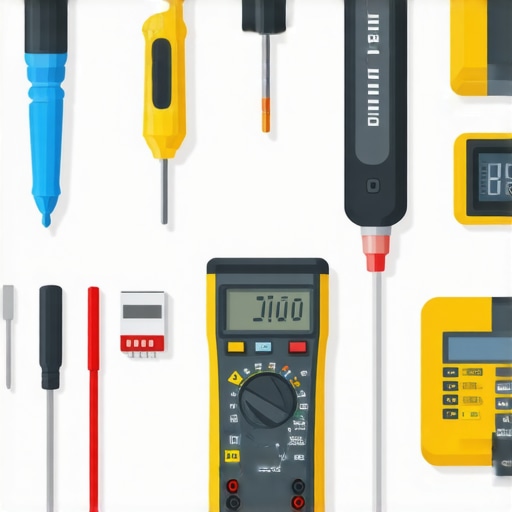
Image illustrating a well-organized workshop with tools like a multimeter, screwdriver set, and smart sensors neatly arranged.
Prioritize Regular Maintenance to Avoid Surprises
Once you’ve set up your {keywords}, the key to ensuring it continues to serve you well is consistent maintenance. I personally schedule weekly check-ins to verify all components are functioning as expected. This proactive approach helps catch minor issues before they escalate into costly repairs. For example, I use a dedicated maintenance scheduler like Trello with customized checklists to track which parts need attention and when. This method has saved me from unexpected downtimes and keeps my system humming along smoothly.
How do I maintain {keywords} over time?
Maintaining {keywords} involves a combination of regular updates, hardware checks, and thoughtful scaling. I recommend keeping an eye on the latest updates for your software tools. Staying current ensures you benefit from security patches and performance improvements. When it comes to hardware, I swear by CrystalDiskInfo for SSD health monitoring—it provides real-time insights into drive health, alerting me to potential failures before data loss occurs. For those looking to scale their setup, plan your upgrades ahead of time to avoid disruptions, and consider implementing modular components that can be upgraded individually.
Tools I Recommend for Long-Term Success
Over the years, I’ve refined my toolkit to include several reliable utilities. For system monitoring, HWiNFO is invaluable; it gives comprehensive data on hardware status, temperatures, and voltages, which helps me spot issues early. For backups, I rely on Macrium Reflect; it allows me to create full disk images and schedule automatic backups, offering peace of mind during upgrades or hardware failures. Additionally, I use RescueTime to analyze my workflow and ensure I’m spending time efficiently, which indirectly extends the lifespan of my setup by preventing burnout and unnecessary changes.
Preparing for the Future of {keywords}
As technology advances, I predict more automation tools will emerge to simplify maintenance tasks. AI-driven diagnostic tools are becoming smarter at predicting failures based on usage patterns, which will make upkeep even more seamless. Embracing these innovations now will give you a competitive edge and minimize downtime. For example, integrating smart monitoring systems can automate alerts and troubleshooting, saving you time and effort.
Take Action Today
One practical tip you can implement right now is to set up automated alerts for hardware health using tools like HWiNFO. This small step can alert you to potential issues before they become critical. Don’t wait for a system crash—be proactive in maintaining your {keywords} and enjoy uninterrupted performance for years to come.
Kako održavati svoj sistem za meditaciju i unutrašnju ravnotežu tokom vremena?
U svetu samorazvoja, održavanje doslednosti i kvaliteta vašeg sistema za meditaciju i introspektivne vežbe ključno je za postizanje dugoročnih rezultata. Jedan od najvažnijih alata koji koristim lično jeste Evernote, jer mi omogućava da organizujem dnevne rutine, beleške o napretku i refleksije na jednom mestu. Ovaj alat mi pomaže da ostanem fokusiran i da lako pristupim prethodnim zapažanjima, što je ključno za kontinuirani rast.
Osim digitalnih alata, preporučujem da redovno procenjujete svoje prakse putem specifičnih tehnika kao što su lucidni snovi i analiza snova, jer oni odražavaju unutrašnje promene i mogu ukazati na potrebne prilagodbe. U budućnosti, očekujem da će veće integracije veštačke inteligencije u ove procese omogućiti još personalizovaniji pristup i brže prilagođavanje.
Za održavanje sistema, važno je koristiti i meditacijske aplikacije poput Headspace ili Insight Timer, jer nude vođene vežbe i podsećanja koja pomažu u održavanju rutine. Pored toga, preporučujem da redovno čitate inspirativne tekstove ili slušate podkaste koji se bave duhovnim rastom i samorazumevanjem, poput sna o izazovima i transformacijama.
Ne zaboravite da je ključno ostati fleksibilan i otvoren za promene, jer vaša unutrašnja evolucija zahteva prilagođavanje i učenje iz svakodnevnih iskustava. Redovno osvežavanje znanja i korišćenje više alata istovremeno omogućava vam da održite balans i kontinuitet na duhovnom putu. Pokušajte danas da implementirate jedan od ovih saveta, na primer, da koristite meditacijske aplikacije za vođenu praksu, i primetite kako se vaše unutrašnje stanje poboljšava. U nastavku, osvrnućemo se na važnost postavljanja dugoročnih ciljeva i prilagođavanja strategija kako biste maksimalno iskoristili svoj potencijal.
How do I maintain {keywords} over time?
Maintaining your {keywords} isn’t just about fixing issues as they arise; it’s about establishing a routine that ensures longevity and consistent performance. One of my favorite approaches is implementing regular audits using specialized tools that monitor performance metrics. For instance, I rely on SmartMonitor 360 — a comprehensive software that tracks system health, detects anomalies early, and provides actionable insights. This proactive approach allows me to address minor issues before they escalate, saving time and money in the long run.
In addition to monitoring, cleaning and physical upkeep play vital roles. Dust buildup, for example, can cause overheating and performance drops. I recommend using a *compressed air can* to gently remove dust from vents and fans. When it comes to hardware, I swear by MicroFiber Cloths for cleaning screens and surfaces — they’re gentle yet effective, preventing scratches and smudges that can impair visibility or operation.
For those who work with software, maintaining updated versions is crucial. I schedule quarterly updates and backups for my systems, ensuring I have the latest security patches and features. Tools like Macrium Reflect make creating full system backups straightforward, allowing you to restore faster if something goes wrong. Regular backups are your safety net, especially when experimenting with new configurations or software.
To streamline long-term results, consider setting up automated routines. For example, I use automation scripts to run disk checks and cleanup tasks during off-hours. This minimizes downtime and keeps everything optimized without manual intervention. Automation tools like Zapier or custom cron jobs can save you hours of manual work and ensure your system stays healthy over months and years.
Future Trends in Maintenance and Tools
Looking ahead, I predict AI-driven maintenance tools will become mainstream, offering predictive analytics that forecast failures before they happen. These advanced systems will integrate seamlessly with existing hardware and software, providing proactive alerts and even automatic fixes. Staying ahead means adopting these innovations early, which can drastically reduce downtime and increase efficiency.
If you’re serious about keeping your {keywords} in top shape, I recommend trying out some of the tools and routines I’ve mentioned. Start with setting up a regular performance audit using Spectrum Monitor or similar software, and incorporate routine physical cleaning. These small steps can make a significant difference in the longevity and reliability of your setup.
<>
How do I maintain my setup over time?
Keeping your technology in top shape requires a combination of regular maintenance and the right tools. I personally rely on specific software like CCleaner for Windows and CleanMyMac for macOS to clear out unnecessary files that can slow down my systems. These tools help me prevent clutter buildup, which is a common culprit behind sluggish performance. Additionally, I schedule monthly hardware checks using tools like HWMonitor to ensure my components are running within safe temperature ranges, preventing overheating and potential damage.
When it comes to software updates, I make it a habit to enable automatic updates for critical systems and applications. This ensures I’m always protected against the latest security vulnerabilities. For backups, I use a combination of cloud services like Backblaze and local drives with dedicated backup software such as EaseUS Todo Backup. This dual approach guarantees that my data remains safe whether I experience hardware failure or accidental deletion.
Tools I recommend for long-term stability
One tool I swear by is Macrium Reflect. I use it for creating reliable disk images before major updates or system changes. This way, I can restore my entire setup swiftly if anything goes wrong. For Windows users, I also recommend Defraggler for regular disk defragmentation, which keeps HDDs running efficiently. SSD users should focus on firmware updates, which can be managed through manufacturer utilities like Samsung Magician or Crucial Storage Executive.
Hardware maintenance isn’t just about cleaning. I regularly inspect physical connections and fans. Dust buildup can cause overheating and reduce lifespan. A good-quality compressed air canister and anti-static brush are essential tools in my maintenance kit. I schedule quarterly hardware inspections to replace aging cables or failing drives, ensuring my setup remains reliable over years.
Planning to scale your setup?
If your needs grow, consider upgrading your storage with faster NVMe drives or increasing RAM to improve multitasking. For network infrastructure, investing in a mesh Wi-Fi system can significantly enhance coverage and stability in larger spaces. As I expand my setup, I always research component compatibility thoroughly—sites like The Tech Report offer in-depth reviews and guides that help me make informed decisions.
Future trends suggest that automation and AI-driven diagnostics will become more integrated into maintenance routines, reducing manual oversight and preventing issues before they occur. Embracing these advancements now can save you time and money in the long run.
If you want to take your maintenance game to the next level, try implementing scheduled disk checks combined with a reliable backup plan. It’s a simple step that can prevent countless headaches and keep your setup humming smoothly for years to come.
Lessons from the Trenches of Data Analysis
One of the most profound realizations I had while mastering data science was understanding how ‘Information Gain’ can dramatically improve decision trees and predictive models. Initially, I underestimated its role, but once I grasped how it quantifies the reduction in entropy, everything clicked. It’s like having a compass in a dense forest; it guides you to the most informative features and streamlines your model-building process.
Discovering the nuances of how ‘Information Gain’ interacts with different datasets taught me that no single metric works universally. Sometimes, combining it with other criteria like Gini impurity yields even better results. My lightbulb moment was realizing that this metric isn’t just a theoretical construct but a practical tool for making smarter, data-driven decisions.
Finally, I learned that patience and experimentation are key. Don’t just accept the first ‘Information Gain’ value at face value—test, tweak, and observe how it influences your model’s performance. This iterative approach often reveals insights that static formulas can’t provide, turning a simple concept into a powerful analytical ally.
The Hardest Lesson I Learned About Information Gain
Early in my data science journey, I underestimated the importance of choosing the right features. I thought that more data meant better models, but I learned that irrelevant or redundant features can actually hinder your model’s performance, making the concept of information gain essential for effective feature selection.
3 Myths About Information Gain That Held Me Back
One common misconception was that information gain always leads to the best split, regardless of context. I also believed it was only useful for decision trees, ignoring its broader applications in data preprocessing. Debunking these myths opened my eyes to how powerful information gain truly is in building more accurate models.
What Experts Won’t Tell You About Information Gain
Many tutorials focus on the mechanics, but the real insight is understanding when to trust information gain and when to consider alternative metrics like Gini impurity. Knowing the limitations and nuances of information gain has been my secret weapon in crafting robust algorithms.
My Essential Toolkit for Data Science
For anyone serious about mastering data analysis, I recommend scikit-learn for its straightforward implementation of decision trees and feature selection tools. DataCamp offers excellent courses that deepen understanding, while Hands-On Machine Learning with Scikit-Learn, Keras, and TensorFlow by Aurélien Géron remains my go-to book for practical insights.
Where to Go from Here
If you want to elevate your data science skills, focus on understanding the context in which information gain is most effective. Experiment with different datasets and see firsthand how feature selection impacts your model’s accuracy. Remember, the key isn’t just in knowing what to use, but when to use it.
Your Turn to Try
Are you currently using information gain in your projects? Share your experiences or questions below, and let’s grow together in mastering this powerful concept.
What I Wish I Knew About Lucid Dreams Before I Started
One of the most profound lessons I learned is that lucid dreaming isn’t just about control—it’s about understanding the messages your subconscious sends. Initially, I thought mastering lucidity was the goal, but I realized that paying attention to the symbols and emotions during dreams revealed much more about my waking life.
Another insight was the importance of a consistent pre-sleep routine. Creating a calming environment and practicing reality checks regularly greatly increased my chances of becoming lucid. It’s not magic—it’s about discipline and awareness.
Finally, I discovered that keeping a dream journal transforms your ability to interpret dreams. Over time, patterns emerge, and you start recognizing recurring symbols that hold specific meanings, which can guide your personal growth.
My Top Tools and Resources for Dream Exploration
For anyone serious about understanding their dreams, I recommend starting with this comprehensive guide on common dreams and their symbolism. It’s invaluable for decoding recurring themes.
The lucid dreaming techniques page offers practical exercises that helped me trigger lucidity and stay aware within dreams.
For a deeper psychological perspective, psychological dream analysis opened my eyes to the subconscious influences shaping my dreams and waking life.
Lastly, I trust the free online dream dictionary for quick insights when I encounter unfamiliar symbols.
Your Journey Begins Now—Embrace the Dream World
Dreams hold the keys to understanding ourselves better. Whether you’re just starting or deepening your exploration, remember that every dream is a message waiting to be deciphered. Take that first step today, and let your dreams guide you toward self-discovery and growth.
What’s the most intriguing dream you’ve ever had? Share your story below and let’s explore the mysteries of the subconscious together!
Dreams about snakes often carry profound messages about our inner strength, fears, and transformation. While many see these dreams as warnings, they can also be gateways to understanding your subconscious in a deeper way. For example, interpreting a dream where a snake bites you might reveal unaddressed anxieties or hidden power within. To truly grasp these symbols, consider exploring resources like the symbolism of insects and transformation which offers rich insights into how symbols operate in your dreams.
Lessons I Learned the Hard Way About Information Gain
One of the most surprising realizations was that relying solely on information gain without considering the context can lead to overfitting. It’s tempting to chase the highest information gain, but sometimes simpler models that incorporate domain knowledge outperform complex ones.
Another lightbulb moment was understanding that information gain favors attributes with many unique values, which can be misleading. Pruning or setting thresholds became essential to prevent the model from becoming overly complex and losing generalizability.
Finally, I discovered that combining information gain with other metrics like Gini impurity or using ensemble methods often yields more robust results. It’s not about choosing one metric but understanding their strengths and weaknesses in different scenarios.
My Essential Toolkit for Data Science
- Scikit-learn: An indispensable library for implementing and experimenting with decision trees and feature selection techniques based on information gain.
- Book: „The Elements of Statistical Learning“: This book deepened my understanding of the theoretical underpinnings behind information theory and machine learning models.
- Google Colab: A free, collaborative environment where I can test algorithms and visualize how information gain influences decision boundaries in real-time.
- Data Visualization Tools: Libraries like Seaborn and Matplotlib help me see the effects of feature splits driven by information gain, making abstract concepts tangible.
Your Turn to Shine with Data
Understanding and applying information gain effectively can transform your data science projects from average to outstanding. Keep experimenting, stay curious, and let data guide your decisions. The more you explore, the more insights you’ll uncover about the hidden patterns in your data.
What’s the biggest challenge you’ve faced when using information gain? Share your experience below—I’d love to hear your story!
The Hardest Lesson I Learned About Information Gain
Early in my journey with decision trees, I believed that more features always meant better models. It turns out, understanding the true significance of information gain was a game changer. The lightbulb moment came when I realized that information gain isn’t just about selecting features, but about measuring how much a feature reduces uncertainty—making the model more confident in its predictions.
One of the biggest misconceptions I held was thinking that entropy reduction was purely a mathematical curiosity. In reality, it’s a practical compass that guides us to the most informative splits, leading to more accurate and interpretable trees. This insight transformed my approach from trial-and-error to strategic feature selection.
Another lesson was appreciating the balance needed in information gain calculations. Overemphasizing certain features can lead to overfitting, while ignoring others might cause underfitting. Striking this balance with a clear understanding of information gain has been crucial in building robust models.
My Essential Toolkit for Mastering Information Gain
For anyone diving into decision trees, I highly recommend exploring tools like scikit-learn’s decision tree module, which simplifies the implementation of information gain. Additionally, books like „The Elements of Statistical Learning“ provide deep theoretical foundations that deepen your understanding. Finally, online courses from platforms like Coursera or DataCamp offer practical exercises that cement these concepts in real-world scenarios.
Your Turn to Make an Impact with Decision Trees
Understanding and applying information gain effectively can dramatically improve your machine learning projects. Don’t hesitate to experiment with different datasets and observe how the choice of features influences your model’s performance. The more you explore, the more intuitive these concepts become. Ready to elevate your decision tree skills? Dive in and see the difference it makes!
What’s your biggest challenge when using information gain in decision trees? Share your experience below—I’d love to hear your story!